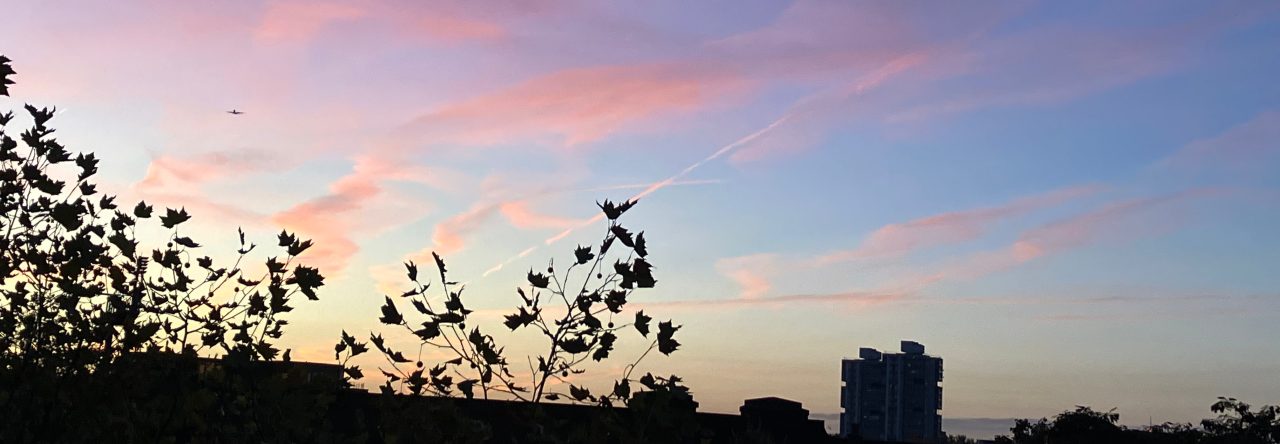
The theme for this year’s London Festival of Architecture is belonging. This got me thinking about my sense of belonging and the connection I feel to this corner of south London, which gradually became home, and where I’ve now lived for more than half my life.
When I first moved to Battersea, I knew nothing about the area, and frankly I wasn’t particularly interested. I appreciated having Battersea Park almost on my doorstep, but work and my social life took place primarily in central and west London.
That changed in the mid 2010s, when I was fortunate to be able to take a break from paid employment to focus on my writing. It was around this time that construction cranes began to dominate the eastern stretch of Battersea, just a short walk from where I live. The derelict, crumbling Power Station, which, to my eyes, had a a certain gothic industrial beauty, was apparently – finally – going to be restored. Suddenly, I wanted to know more about what was going to be developed, but also what might be lost, what had already disappeared, what stories were buried beneath my feet.
I began to explore my neighbourhood on foot. Street and building names could lead to wonderful discoveries, such as Charlotte Despard, the wealthy widow who, in the late 19th century, moved to the then slum of Nine Elms and opened her house to the local community, employing a nurse and providing sustenance for unemployed and impoverished locals. She was also a fearless suffragette and anti-fascist campaigner. Would she were alive today. . .
I joined the Battersea Society and started frequenting the invaluable Wandsworth Heritage Service in Battersea Library. And, in 2017, it was through the Battersea Society that I became aware of an opportunity to lead tours of the Battersea Power Station construction site.
I jumped at the chance. Four of us were recruited to lead tours on Sunday afternoons, when the site was briefly quiet. We entered at the riverside site entrance and walked between dormant cement mixers and giant drills up to the front of the Power Station, where we paused on a platform looking into the massive turbine hall of Station A. Here I imparted juicy facts about Battersea Power Station’s history and the ongoing restoration. Everyone had to wear a hard hat and high vis vest. The excitement I felt at getting up close to the Power Station never diminished. And I loved how, on every tour, there was someone in the group who had a personal connection to or story about Battersea Power Station.
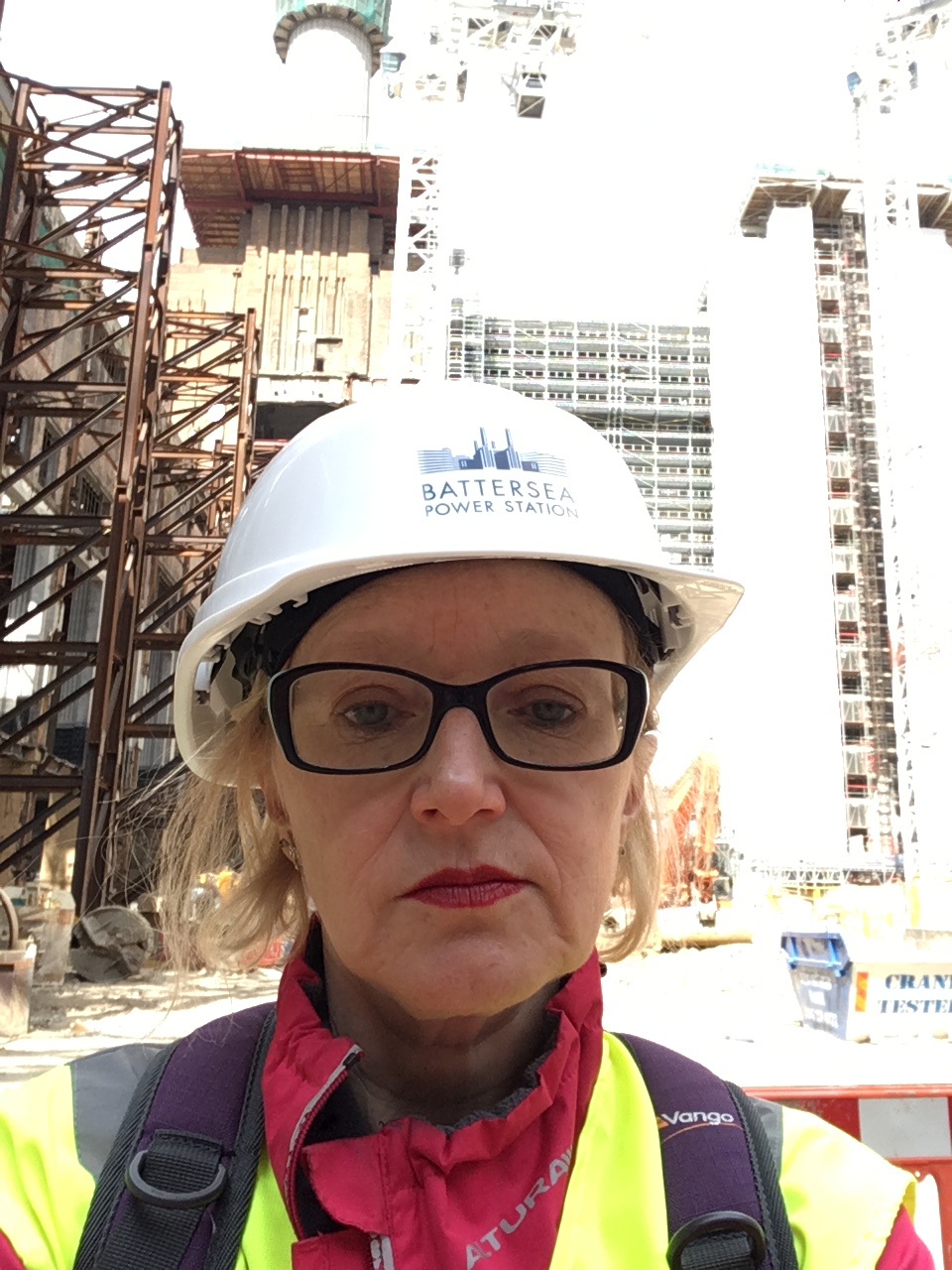
In late autumn 2017, the tours finished due to the increased intensity of construction work. But I had the bug by then. I wanted to continue digging into Battersea’s history and sharing it with others. Over the last few years, I’ve led a number of different walks, some commissioned and some on my own initiative. Battersea Power Station is now restored and it’s firmly on the tourist map. Large areas on either side of Nine Elms Lane, leading up to Vauxhall, have also been redeveloped – the smart, shiny apartment blocks erasing pretty much all trace of the former industries that used to operate along this stretch of north Battersea. But there are other stories, and quieter side streets, worth exploring. These are the focus of the walk I’ll be leading as part of this year’s London Festival of Architecture: Beyond Nine Elms’ New Builds: Who Belongs Here? It’s on Saturday 6th June, starting at 11am, and will last around two hours.


Not everyone can pull of a hard hat, but you certainly do, Hilaire!
Thank you Claire!
I remember your tour of Battersea Power Station – a real highlight! You were a natural then, and have got even better with each walk. Brava!
Thanks so much Joolz!